

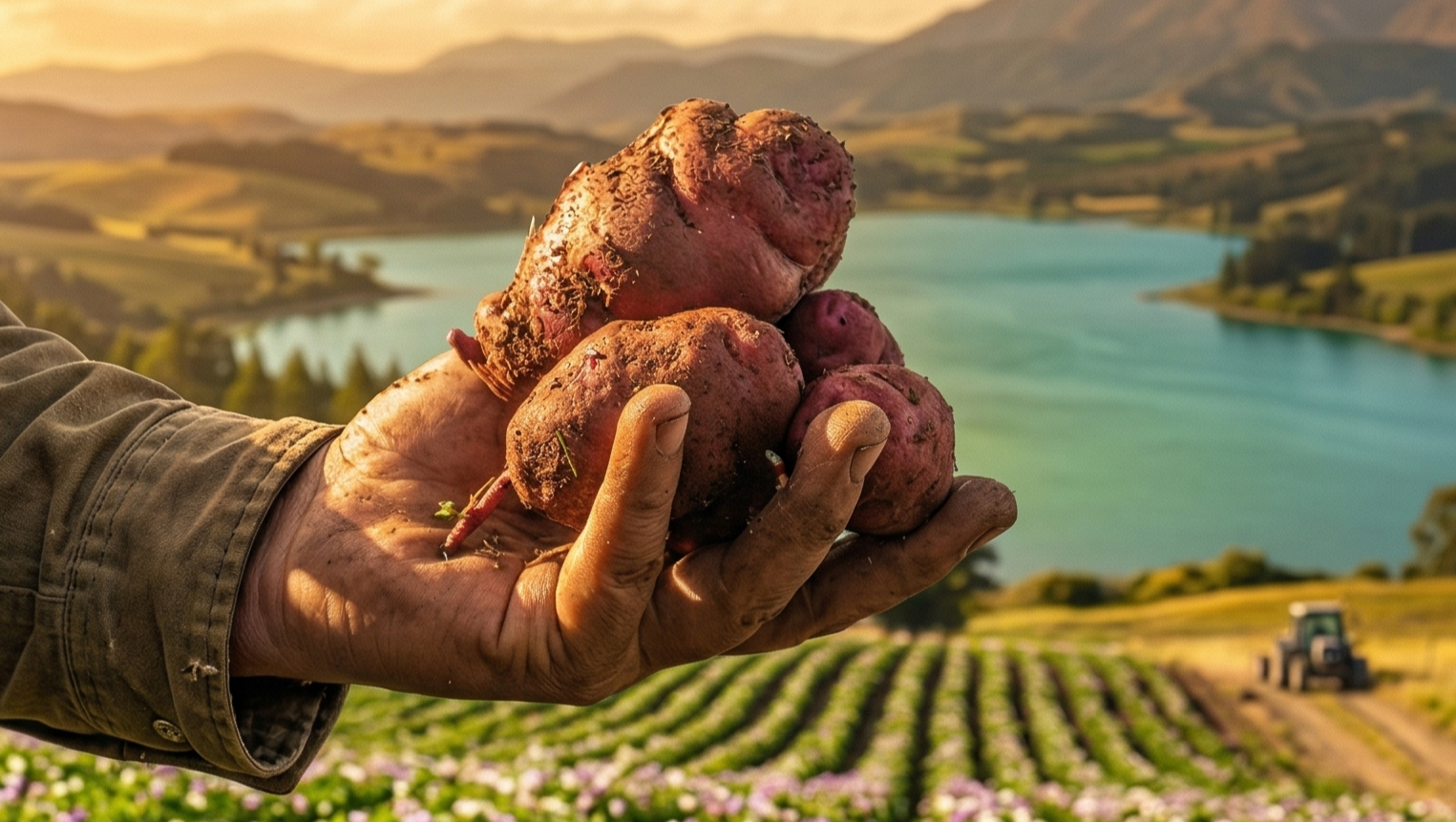

Few ingredients have traveled as far—or had as much impact—as the potato. Yet its story begins high in the Andes of Peru, where it was first domesticated over 7,000 years ago by ancient civilizations who understood the land with remarkable precision.
In these high-altitude environments, where conditions are harsh and unpredictable, Andean communities developed an extraordinary agricultural system. Through generations of experimentation and observation, they cultivated thousands of potato varieties—each adapted to specific microclimates, altitudes, and soils.
Today, more than 3,000 types of potatoes are still grown in the Andes, representing one of the greatest reservoirs of agricultural biodiversity in the world. Each variety carries its own texture, flavor, color, and cultural significance.
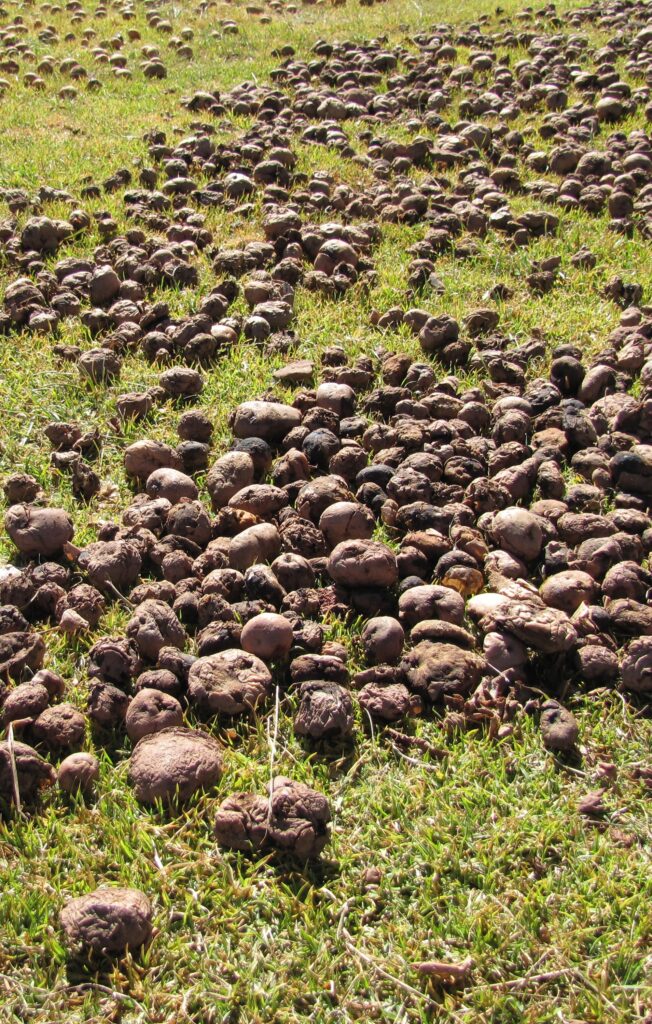
But the potato is more than a crop—it is a symbol of resilience and innovation. Techniques such as chuño, a freeze-drying process developed centuries ago, allowed communities to preserve food for long periods, ensuring survival in extreme conditions. This method reflects a deep understanding of natural cycles and adaptation.
In Andean culture, the potato is also sacred. It is offered in rituals, used in ceremonies, and celebrated as a gift from Pachamama. Its cultivation is not merely agricultural—it is spiritual.
Today, Peruvian gastronomy has brought renewed attention to native potatoes, elevating them into refined culinary experiences that honor their origin. Chefs and communities alike are working to preserve this legacy while sharing it with the world.
To taste a potato in the Andes is to connect with a story that has shaped civilizations—and continues to nourish the future.