

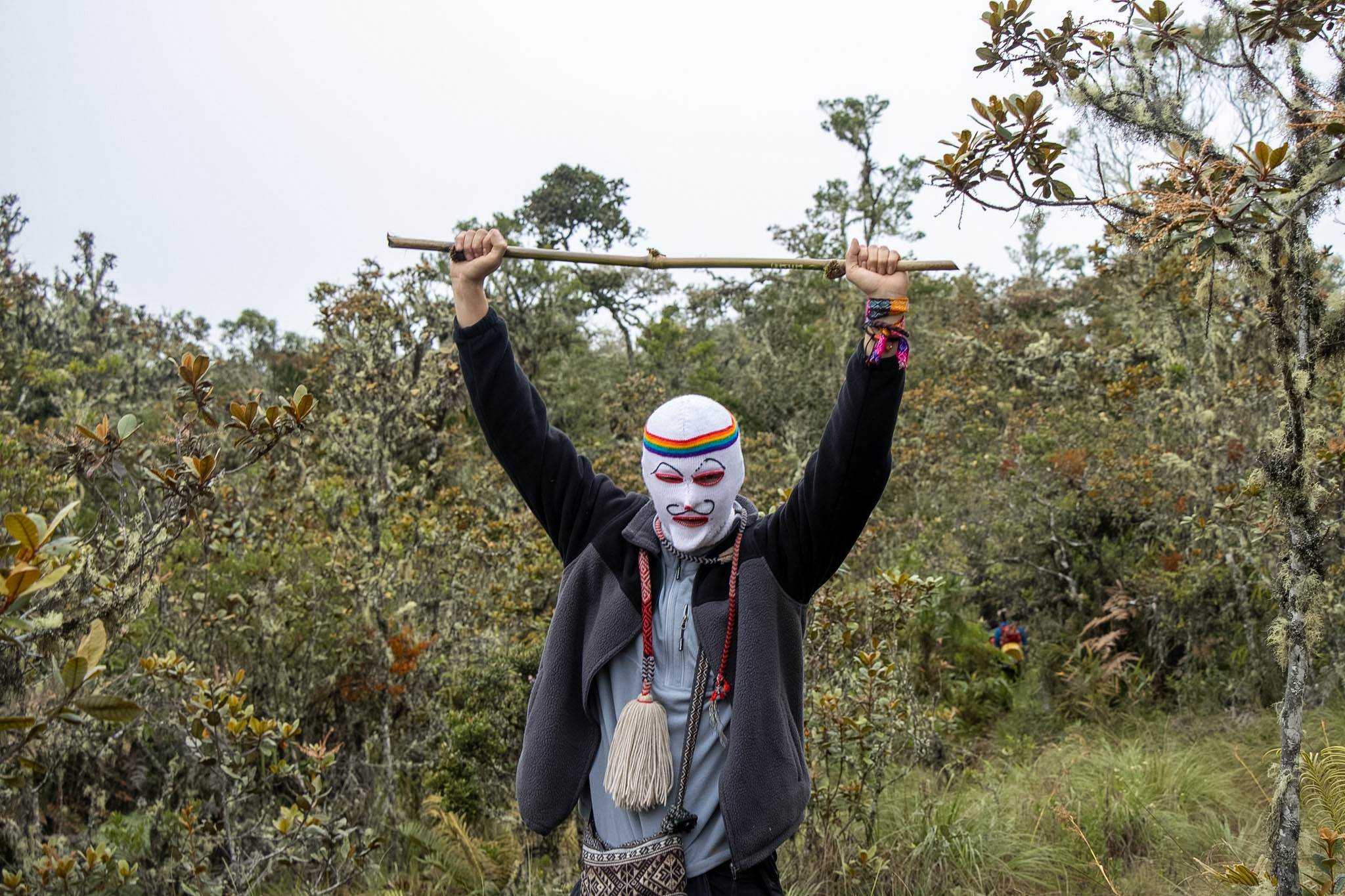

In the Peruvian Andes, certain moments transcend celebration and become collective expressions of identity. The Virgen del Carmen festival in Paucartambo is one of them. Held every July, this extraordinary event is widely considered one of the most important cultural and religious celebrations in the country—declared Cultural Heritage of the Nation for its historical and symbolic value.
But beyond its recognition, what makes Paucartambo truly unique is its intensity. For several days, the entire town transforms into a vibrant stage where devotion, history, and performance merge seamlessly. Streets come alive with music, color, and movement, creating an atmosphere that is both sacred and exuberant.
The Virgen del Carmen is more than a religious figure—she is deeply embedded in the emotional and spiritual life of the people. She is protector, guide, and symbol of resilience. Her image is carried through the streets in elaborate processions, accompanied by dancers, musicians, and devotees.
Each dance troupe represents a chapter of history. From colonial encounters to indigenous resistance, every movement and costume tells a story. The craftsmanship is remarkable—intricate masks, embroidered garments, and layers of symbolism that reflect both heritage and identity.
Among the most iconic figures are the Maqta, youthful characters who bring humor and spontaneity to the festival. They interact with spectators, climb rooftops, and blur the line between performer and audience. Their presence adds a dynamic, almost unpredictable energy to the celebration, embodying the spirit of the people.
Nights are illuminated with fireworks, echoing through the surrounding mountains, while traditional bands create a continuous rhythm that carries the celebration forward. Ritual reenactments, known as “guerrillas,” symbolize historical conflicts and cultural resilience.
To experience Paucartambo is to witness a community fully immersed in its traditions. It is not staged—it is lived. Every participant is both actor and bearer of memory.
Here, devotion dances through the streets, and culture reveals itself in its most powerful form.